


Vahaolana amin'ny fampangatsiahana ny foibe angon-drakitra
Vahaolana fitantanana hafanana mandroso ho an'ny foibe angon-drakitra maoderina - Fampangatsiahana rano, Fampangatsiahana ranoka mangatsiaka, ary Fampangatsiahana anaty rano

Topimaso momba ny fampangatsiahana ny foibe angon-drakitra
Miaina fanamby tsy mbola nisy toa azy ireo foibe angon-drakitra maoderina eo amin'ny fitantanana ny hafanana vokatry ny fitomboan'ny asa AI/ML, ny informatika avo lenta (HPC), ary ny fotodrafitrasa rahona hyperscale. Ny hakitroky ny herinaratra nentim-paharazana 5-10 kW/rak dia niha-nitombo ho 50+ kW/rak any amin'ireo fotodrafitrasa mandroso, ary ny foibe angon-drakitra taranaka manaraka sasany dia mikendry ny hakitroky ny 100+ kW/rak.
Tsy ny fitazonana ny fahatokisan'ny fitaovana fotsiny intsony no zava-dehibe amin'ny fitantanana ny hafanana mahomby—fa singa iray tena ilaina amin'ny fanatrarana tanjona maharitra, fampihenana ny fandaniana amin'ny asa, ary fanarahana ny fitsipika henjana momba ny fahombiazan'ny angovo. Ny Power Usage Effectiveness (PUE) no lasa fenitra voalohany, miaraka amin'ireo mpitarika ao amin'ny indostria izay mahazo ny naoty PUE ambanin'ny 1.3, ary ny toeram-pampangatsiatsiahana sasany dia mahatratra ny PUE ambany indrindra amin'ny 1.1.
Manolotra karazana ranoka famindrana hafanana manokana ny Glacier Coolant izay namboarina manokana ho an'ny filàna fampangatsiahana foibe angon-drakitra rehetra. Ny vahaolana atolotray dia mamaly ny filàna miavaka amin'ny rafitra fampangatsiahana tsirairay, mba hahazoana antoka ny fahombiazana ambony indrindra, ny fahatokisana ary ny faharetana.
Ireo fomba telo lehibe amin'ny fampangatsiahana ao amin'ny foibe angon-drakitra maoderina dia maneho dingana miavaka amin'ny fivoaran'ny fitantanana ny hafanana:
● Rafitra fampangatsiahana rano- Fitambaran-drano mangatsiaka nentim-paharazana mety tsara ho an'ny toerana antonony hakitroky (hatramin'ny 20 kW/rak), mahatratra ny PUE 1.3-1.5. Ity teknolojia voaporofo ity no fototry ny ankamaroan'ny foibe angon-drakitra ho an'ny orinasa, manolotra fampangatsiahana mahomby amin'ny vidiny mirary miaraka amin'ny fifanarahana amin'ny paikady fampangatsiahana maimaim-poana.
●Fampangatsiahana Ranoka amin'ny Takelaka Mangatsiaka- Fampangatsiahana mivantana izay manala ny hafanana eo amin'ny loharano ho an'ny tontolo informatika avo lenta (hatramin'ny 50 kW/rak), ka mahatratra PUE ambanin'ny 1.3. Ilaina amin'ny rafitra fiofanana AI mifototra amin'ny GPU/TPU sy ny vondrona HPC izay mahatratra ny fetrany ara-batana ny fampangatsiahana rivotra.
●Fampangatsiahana anaty rano- Ny fara tampon'ny fitantanana ny hafanana, ny fampidirana mivantana ny fitaovana IT ao anaty ranoka dielektrika ho an'ny fampiharana hakitroky tafahoatra (100+ kW/rak), ka mahatratra ny PUE 1.1-1.2. Ity fomba fiasa revolisionera ity dia manafoana tanteraka ny fotodrafitrasa fampangatsiahana rivotra nentim-paharazana, ka ahafahana mahomby amin'ny angovo tsy mbola nisy toy izany sy miasa mangina.
Ny fomba fampangatsiahana tsirairay dia mitaky tsiranoka famindrana hafanana manokana manana toetra miavaka—manomboka amin'ny fiarovana amin'ny hatsiaka sy ny fisorohana ny harafesina ho an'ny rafitra fampangatsiahana rano ka hatramin'ny tanjaka dielektrika sy ny fahamarinan-toerana ara-mafana ho an'ny fampiharana fampangatsiahana anaty rano.
Fampiharana fampangatsiahana ny foibe angon-drakitra
Rafitra fampangatsiahana rano
Vahaolana azo antoka sy voaporofo ho an'ny fitantanana ny hafanan'ny foibe angon-drakitra ny fampangatsiahana amin'ny rano, izay mety indrindra amin'ny toerana nentim-paharazana sy antonony hakitroky. Mampiasa rano mangatsiaka faharoa ity fomba fiasa ity mba hamindrana hafanana avy amin'ny fitaovana IT mankany amin'ny tilikambo fampangatsiahana na vata fampangatsiahana, izay manolotra fahombiazana tsara dia tsara sy fahombiazana amin'ny vidiny mirary.
Fampiharana ao amin'ny Foibe Data:
Ny rafitra fampangatsiahana rano dia mampivezivezy ny rano mangatsiaka amin'ny alalan'ny tadivavarana rano mangatsiaka, ny fitaovana fikirakirana rivotra, ary ny tilikambo fampangatsiahana. Ny rano mangatsiaka dia mandray ny hafanana avy amin'ny fitoeran'ny mpizara ary mamindra izany any amin'ny tontolo ivelany. Ity fomba ity dia ampiasaina betsaka amin'ny foibe angon-drakitra ho an'ny orinasa, ny toerana iraisana, ary ny foibe angon-drakitra maitso izay mikendry ny hanatsara ny naoty PUE.
● Mety tsara ho an'ny hakitroky ny herinaratra hatramin'ny 20 kW/rak
● Mifanaraka amin'ny fotodrafitrasa misy amin'ny rano mangatsiaka
● Manohana ny fampangatsiahana maimaim-poana sy ny famerenana ny hafanana very
● Mahatonga ny naoty PUE 1.3-1.5
25% votoatin'ny etilena glikol
Ny LM-4 dia rano mangatsiaka avo lenta mifototra amin'ny ethylene glycol natao ho an'ny rafitra fampangatsiahana rano any amin'ny foibe fitahirizana angon-drakitra. Ny endriny dia manome fahombiazana tsara amin'ny famindrana hafanana sy fiarovana amin'ny hatsiaka ho an'ny tadivavarana rano mangatsiaka.
✅️ Fitondrana hafanana avo lenta ho an'ny famindrana hafanana mahomby
✅Miaro amin'ny hatsiaka hatramin'ny -20°C
✅️ Miaro ny singa ao amin'ny rafitra ny mpanakana ny harafesina
✅️ Mifanaraka amin'ny varahina, vy ary aliminioma
✅️ Androm-piainan'ny ranoka lava ao anaty rafitra mihidy
| Karazana Glikola | Etilena Glikola |
|---|---|
| fifantohana | 25% |
| Teboka mangatsiaka | -20°C |
| Mari-pana miasa | -15°C hatramin'ny 90°C |
| Sanda pH | 8.5-9.5 |
25% ny votoatin'ny propylene glycol
Ny LM-4ABG dia ranoka fampangatsiahana miorina amin'ny propylene glycol izay manolotra fahombiazana mitovy amin'ny LM-4 miaraka amin'ny toetra tsara kokoa amin'ny tontolo iainana sy ny fiarovana. Mety tsara ho an'ny foibem-panangonana izay manome laharam-pahamehana ny fangaro tsy misy poizina.
✅️ Tsy misy poizina ary sariaka amin'ny tontolo iainana
✅️ Toetra tsara amin'ny famindrana hafanana
✅️ Rafitra propylene glycol azo hanina
✅️ Fiarovana amin'ny harafesina ho an'ny metaly mahazatra rehetra
✅️ Mifanaraka amin'ny fotodrafitrasa fampangatsiahana rano
| Karazana Glikola | Propylene Glycol |
|---|---|
| fifantohana | 25% |
| Teboka mangatsiaka | -18°C |
| Mari-pana miasa | -15°C hatramin'ny 90°C |
| Sanda pH | 8.5-9.5 |
Kisarisary momba ny fikorianan'ny rafitra fampangatsiahana rano
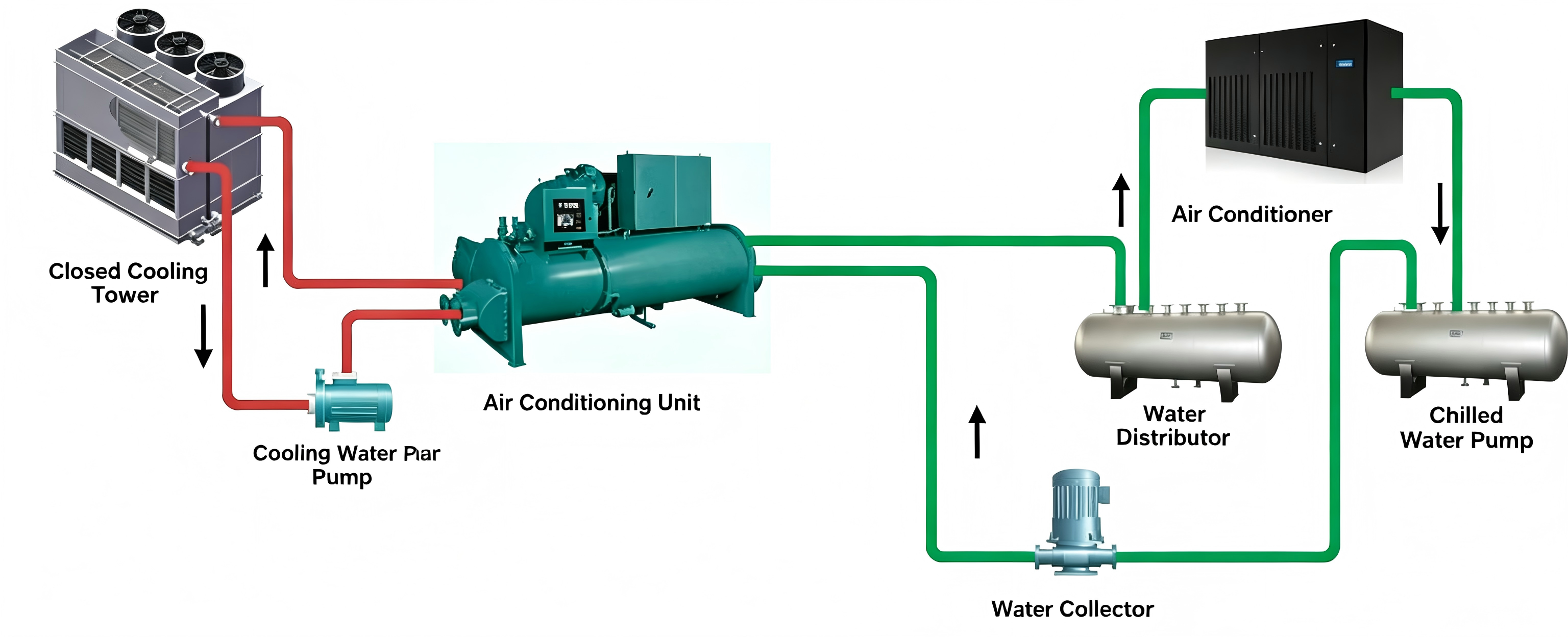
Singa ao amin'ny Rafitra:Tilikambo Fampangatsiahana → Singa Fampangatsiahana → Paompy Voalohany → Mpankalo Hafanana → Fitoeran'ny Mpaninjara → Paompy Famerenana → Tilikambo Fampangatsiahana
Fampangatsiahana Ranoka amin'ny Takelaka Mangatsiaka
Ny fampangatsiahana ranoka mangatsiaka dia maneho ny fivoarana manaraka eo amin'ny fitantanana ny hafanan'ny foibe angon-drakitra, izay mandefa hafanana mivantana avy amin'ireo singa avo lenta mankany amin'ireo singa fampangatsiahana. Tena ilaina ity fomba fiasa ity ho an'ny tontolo informatika avo lenta izay mahatratra ny fetrany ny fampangatsiahana rivotra nentim-paharazana.
Fampiharana ao amin'ny Foibe Data:
Mampivezivezy ny rano mangatsiaka amin'ny alalan'ny takelaka mangatsiaka mifamatotra mivantana amin'ny CPU, GPU, ary singa hafa mamokatra hafanana ny rafitra fampangatsiahana takelaka mangatsiaka. Ity fomba fampangatsiahana mifandray mivantana ity dia manala ny hafanana eo amin'ny loharano, ka ahafahana mampitombo ny hakitroky ny herinaratra sy manatsara ny fahombiazan'ny hafanana. Mandaitra indrindra ho an'ny asa AI/ML, vondrona HPC, ary fotodrafitrasa hyperscale izy io.
● Manohana ny hakitroky ny herinaratra hatramin'ny 50 kW/rak
● Mamela ny naoty PUE ambanin'ny 1.3
● Mety tsara amin'ny rafitra fiofanana AI mifototra amin'ny GPU/TPU
● Mampihena ny tabataban'ny mpankafy ary manatsara ny tontolo iainana misy feo
● Mifanaraka amin'ny maritrano fampangatsiahana mivantana sy ankolaka
25% Ethylene Glycol Content - Nohatsaraina
Namboarina manokana ho an'ny fampiharana fampangatsiahana ranoka mangatsiaka ny LM-4D, izay manome conductivity mafana ambony sy viscosity ambany mba hahazoana antoka ny famindrana hafanana mahomby amin'ny tontolo informatika avo lenta.
✅️ Nohatsaraina ho an'ny rafitra fampangatsiahana mangatsiaka
✅️ Ambany ny viscosity mba hahazoana paompy mahomby
✅️ Fitondran-tena mafana avo lenta (0.1364 W/m·K)
✅️ Faharetana ara-tsimika tena tsara
✅️ Androm-piainan'ny ranoka maharitra kokoa (8-10 taona)
| Karazana Glikola | Etilena Glikola |
|---|---|
| fifantohana | 25% |
| Viskozité (20°C) | 10.40 cP |
| Fitondran-tena mafana | 0.1364 W/m·K |
| Mari-pana miasa | -50°C hatramin'ny 200°C |
25% ny votoatin'ny Ethylene Glycol - Fanontana mavo
Manolotra toetra avo lenta mitovy amin'ny LM-4D ny LM-4D-YE miaraka amin'ny famantarana hita maso nohatsaraina ho an'ny fanaraha-maso ny rafitra sy ny fanarahana ny fikojakojana ao anatin'ny tontolo sarotra misy foibe angon-drakitra.
✅️ Loko mavo mba hanamorana ny famantarana ny ranoka
✅️ Mitovy amin'ny LM-4D ny fahombiazan'ny hafanana
✅Manamora ny fitadiavana sy fikojakojana ny fivoahan'ny rano
✅️ Mifanaraka amin'ny fitaovana rehetra misy takelaka mangatsiaka
✅️ Mpanakana ny harafesina mba hahazoana fahatokisana maharitra
| Karazana Glikola | Etilena Glikola |
|---|---|
| fifantohana | 25% |
| Loko | MAVO |
| Viskozité (20°C) | 10.40 cP |
| Mari-pana miasa | -50°C hatramin'ny 200°C |
25% ny votoatin'ny propylene glycol
Mety tsara amin'ny fampangatsiahana ranoka mangatsiaka ihany koa ny LM-4ABG, indrindra amin'ny tontolo iainana izay ilàna fangaro tsy misy poizina. Ny fotony propylene glycol dia manome fahombiazana ara-pahasalamana tsara dia tsara miaraka amin'ny toetra fiarovana nohatsaraina.
✅️ Tsy misy poizina ho an'ny tontolo mora tohina
✅️ Mifanaraka amin'ny fitaovana misy takelaka mangatsiaka
✅️ Fahombiazana tsara amin'ny famindrana hafanana
✅️ Fiarovana amin'ny harafesina mba haharitra ela ny rafitra
✅️ Sariaka amin'ny tontolo iainana
| Karazana Glikola | Propylene Glycol |
|---|---|
| fifantohana | 25% |
| Teboka mangatsiaka | -18°C |
| Mari-pana miasa | -15°C hatramin'ny 90°C |
| Sanda pH | 8.5-9.5 |
Kisarisary mikoriana amin'ny rafitra fampangatsiahana ranoka mangatsiaka
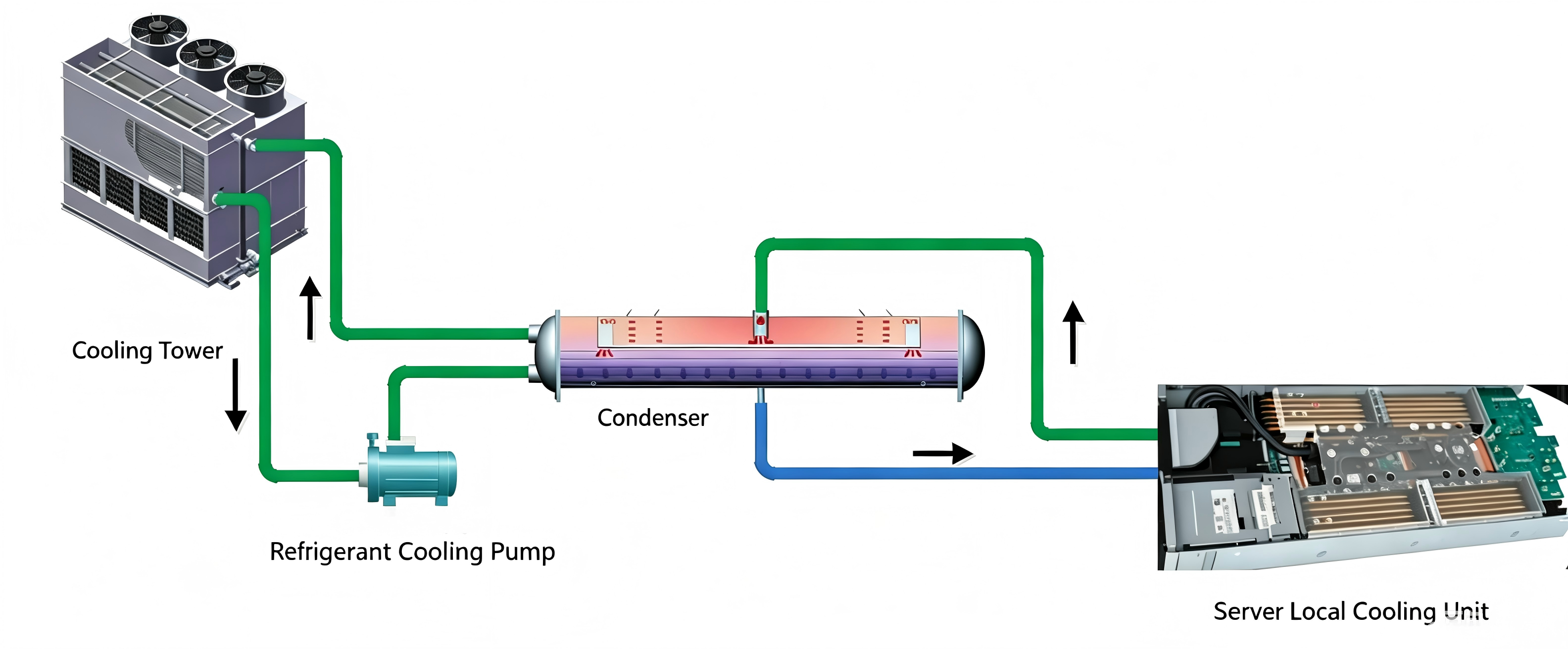
Singa ao amin'ny Rafitra:Singa Fampangatsiahana → Paompy Fampangatsiahana → Takelaka Mangatsiaka (CPU/GPU) → Mpanova Hafanana → Singa Fampangatsiahana
Fampangatsiahana anaty rano
Ny fampangatsiahana anaty rano no tena zava-dehibe amin'ny fitantanana ny hafanan'ny foibe angon-drakitra, izay ahafahana mampitombo ny hakitroky ny herinaratra tsy mbola nisy toa azy amin'ny alàlan'ny fampidirana mivantana ny fitaovana IT ao anaty ranoka dielektrika manokana. Ny vahaolana fampangatsiahana anaty rano an'ny Glacier Coolant dia manome fahombiazana ambony amin'ny famindrana hafanana sy fiarovana amin'ny herinaratra ho an'ny tontolo informatika sarotra indrindra.
Fampiharana ao amin'ny Foibe Data
Ny rafitra fampangatsiahana anaty rano dia mandentika tanteraka ny fitaovana IT ao anaty ranoka dielektrika, izay mandray mivantana ny hafanana avy amin'ny singa rehetra ao anatin'izany ny CPU, GPU, môdely fahatsiarovana, ary fitaovana fitahirizana. Ity fomba fiasa ity dia manafoana tanteraka ny fampangatsiahana rivotra nentim-paharazana, manatsara be ny fahombiazan'ny angovo ary mamela ny hakitroky ny herinaratra mihoatra ny 100 kW/rak. Mety tsara ho an'ny vondrona HPC, toeram-piofanana AI, ary foibe angon-drakitra taranaka manaraka izay mikendry ny naoty PUE ambany dia ambany.
● Manohana ny hakitroky ny herinaratra hatramin'ny 100+ kW/rak
● Mahatonga ny naoty PUE 1.1-1.2
● Manafoana ny filàna fotodrafitrasa fampangatsiahana rivotra
● Mahatonga ny famerenana ny hafanana tsy ilaina ho an'ny fanafanana distrika mahomby
● Fampiasana mangina - tsy mila mpankafy na mpikirakira rivotra
● Manalava ny androm-piainan'ny fitaovana amin'ny alàlan'ny fampangatsiahana mitovy
Dielectric Immersion Coolant
Ny LM-14C dia ranoka fampangatsiahana dielektrika manokana natao ho an'ny fampiharana fampangatsiahana anaty rano tokana. Ny endriny dia manome toetra mafana tsara sady mitazona ny insulasiôna elektrika ho an'ny fampiasana azo antoka miaraka amin'ny fitaovana elektronika anaty rano.
✅️ Tanjaky ny dielektrika > 25 kV/mm
✅️ Viscosité ambany ho an'ny convection voajanahary
✅️ Fitondrana hafanana avo lenta ho an'ny famindrana hafanana mahomby
✅️ Tsy mora simba ary tsy mora simba araka ny akora simika ampiasaina
✅ Mifanaraka amin'ny singa elektronika rehetra
| Karazana | Dielectric Coolant |
|---|---|
| Tanjaka Dielektrika | > 25 kV/mm |
| Viskozité (20°C) | 10.40 cP |
| Mari-pana miasa | -50°C hatramin'ny 200°C |
| Flash point | > 200°C |
Fampangatsiahana Polysiloxane Immersion novaina
LM-15B dia rano mangatsiaka miorina amin'ny polysiloxane novaina natao ho an'ny rafitra fampangatsiahana anaty rano. Ny endriny miavaka dia manome toetra dielektrika tsara dia tsara, fahamarinan-toerana ara-hafanana, ary fahatokisana maharitra amin'ny tontolo iainana anaty rano sarotra.
✅️ Fangaro polysiloxane novaina ho an'ny fahombiazana ambony kokoa
✅️ Toetra dielektrika tena tsara (>25 kV/mm)
✅️ Faharetan'ny hafanana avo lenta amin'ny mari-pana midadasika
✅️ Tsy dia miovaova loatra ary kely dia kely ny fahaverezan'ny rano
✅️ Androm-piainan'ny ranoka maharitra kokoa (10 taona mahery)
✅️ Tena tsara ny fahafahany miparitaka sy miparitaka tsara
| fifehezan | Polysiloxane novaina |
|---|---|
| Tanjaka Dielektrika | > 25 kV/mm |
| Hakitroky (20°C) | 0.942 g/sm³ |
| Viskozité (20°C) | 10.40 cP |
| Fitondran-tena mafana | 0.1364 W/m·K |
| Hafanana manokana | 1.7040 kJ/kg·K |
| Mari-pana miasa | -50°C hatramin'ny 200°C |
| Flash point | > 200°C |
| Fiainana mandritra ny fitahirizana | 30-60 volana |
LM-14
Ranon-javatra fampangatsiahana dielektrika
LM-14 dia rano fampangatsiahana dielektrika manokana natao ho an'ny fampiharana fampangatsiahana anaty rano ao amin'ny foibe fitahirizana angon-drakitra, manome toetra mafana tsara sady mitazona insulasiôna elektrika ho an'ny fampiasana azo antoka miaraka amin'ny elektronika anaty rano.
✅️ Toetra dielektrika tena tsara ho an'ny fiarovana amin'ny herinaratra
✅️ Mari-pana isan-karazany: -110°C hatramin'ny 135°C
✅️ Tsy mora mirehitra ary tsy misy teboka mirehitra
✅️ Ambany ny hateviny mba hahafahana mamindra hafanana tsara
✅ Mifanaraka amin'ny metaly sy plastika
| Elanelana mari-pana | -110°C ~ 135°C |
|---|---|
| fifehezan | Ranoka Dielektrika |
| Endri-javatra fototra | Fampangatsiahana anaty rano |
| Fampiharana | Fampangatsiahana anaty foibe angon-drakitra |
Fampangatsiahana Avo Lenta
LM-17 dia ranoka fampangatsiahana immersion avo lenta natao ho an'ny fampiharana fampangatsiahana foibe angon-drakitra mandroso, manolotra conductivity mafana ambony sy fitoniana ho an'ny rafitra informatika taranaka manaraka.
✅️ Mari-pana isan-karazany: -50°C hatramin'ny 200°C
✅️ Fitondrana hafanana avo lenta
✅️ Faharetan'ny hafanana tsara dia tsara
✅️ Ambany ny viscosity mba hahazoana paompy mahomby
✅️ Maharitra ela ny fampiasana azy
| Elanelana mari-pana | -50°C ~ 200°C |
|---|---|
| fifehezan | Ranon-javatra mahomby |
| Endri-javatra fototra | Fampangatsiahana mandroso |
| Fampiharana | Kajy avo lenta |
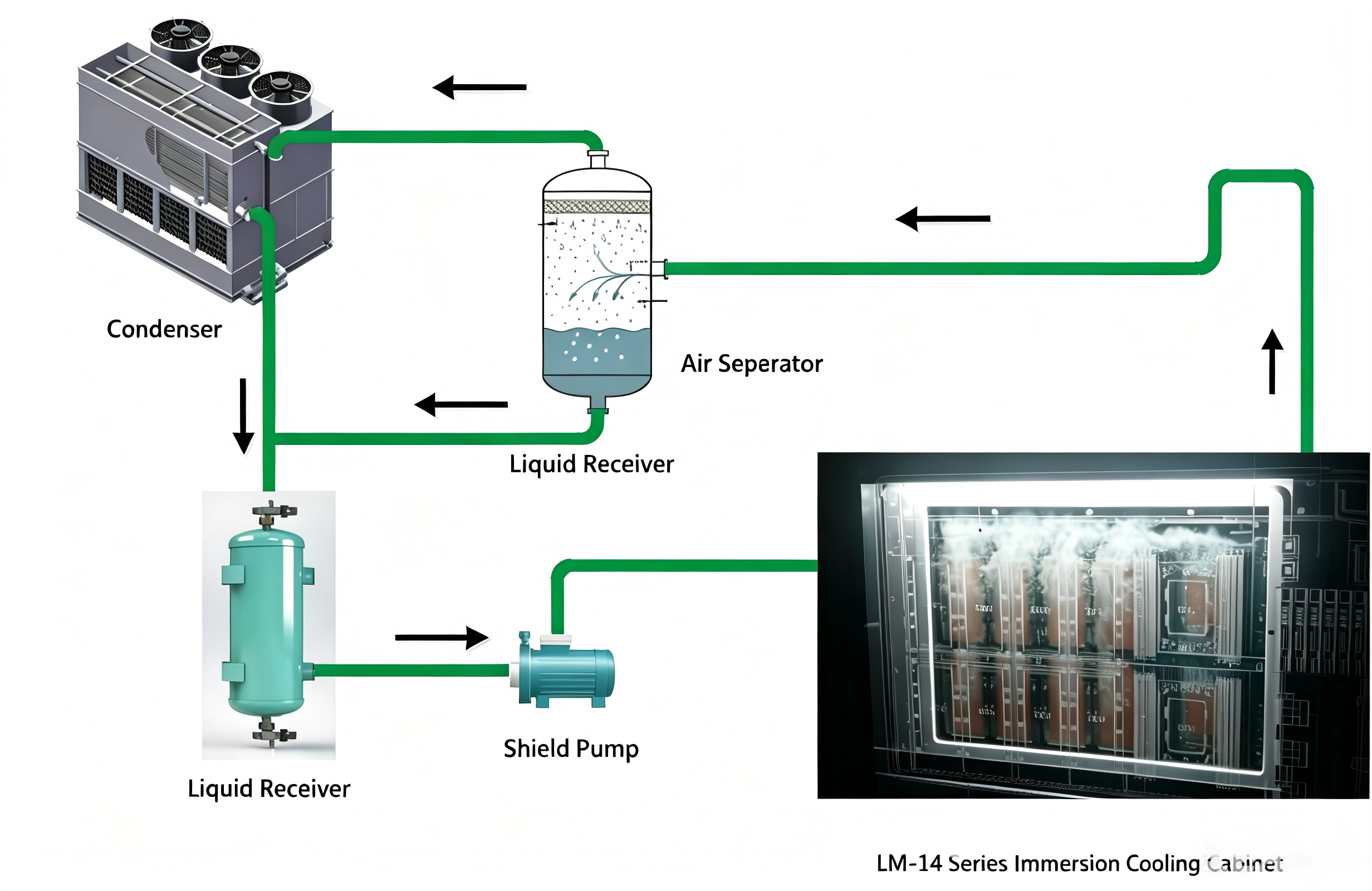
Torolàlana momba ny fampiharana ny vokatra
Torolalana feno momba ny fisafidianana sy fampiharana ny vahaolana fampangatsiahana tsara indrindra ho an'ny filan'ny foibem-panangonanao
Fampiharana ny fampangatsiahana rano
Rafitra rano mangatsiaka nentim-paharazana
Ny rafitra fampangatsiahana rano no andrin'ny fitantanana ny hafanan'ny foibe angon-drakitra ho an'ny orinasa, izay manolotra fahatokisana voaporofo sy mahomby amin'ny vidiny ho an'ny toerana antonony hakitroky.
Fomba fanao tsara indrindra:
✅Tazomy ho 25% ny fifantohana glycol mba hiarovana tsara indrindra amin'ny hatsiaka (-18°C hatramin'ny -20°C)
✅️ Araho maso ny haavon'ny pH (8.5-9.5) mba hisorohana ny harafesina sy hahazoana antoka fa maharitra ela ny rafitra
✅️ Manaova famakafakana ranon-javatra tsy tapaka isaky ny 6-12 volana mba hahitana ny fahasimbana
✅️ Mampiasà mpanakana ny harafesina mifanaraka amin'ny singa varahina, vy ary aliminioma
✅️ Ataovy izay hivezivezena tsara mba hisorohana ny fizarazarana sy ny toerana mafana
Fepetra takiana amin'ny rafitra:
✅️ Mifanaraka amin'ny fotodrafitrasa misy amin'ny rano mangatsiaka
✅️ Manohana paikady fampangatsiahana maimaim-poana amin'ny toetrandro mety
✅Mila fanadiovana sy fanivanana rano tsy tapaka
✅️ Mety tsara ho an'ny toerana manana hakitroky ny herinaratra hatramin'ny 20 kW/rak
Fandaharam-potoanan'ny fikojakojana:
| Isan'andro | Fijerena maso raha misy fivoahan-drano, araho maso ny fitaovana fandrefesana ny tsindry |
|---|---|
| Isam-bolana | Jereo ny fifantohan'ny glycol, ny haavon'ny pH, ary ny famakiana ny mari-pana |
| isaky ny telo volana | Fanadiovana tanteraka ny rafitra, fanoloana sivana, famakafakana ny mpanakana ny harafesina |
| Isan-taona | Fanoloana ranoka tanteraka (faharetan'ny 8-10 taona amin'ny rafitra mihidy) |
Fampiharana ny fampangatsiahana amin'ny takelaka mangatsiaka
Fampangatsiahana ranoka mifandray mivantana
Ny fampangatsiahana ranoka amin'ny takelaka mangatsiaka dia maneho ny fivoarana manaraka eo amin'ny fitantanana ny hafanana, izay mandefa hafanana mivantana avy amin'ireo singa avo lenta mankany amin'ireo singa fampangatsiahana miaraka amin'ny fahombiazana tsy mbola nisy toy izany.
Fomba fanao tsara indrindra:
✅️ Misafidiana ranoka tsy dia misy viscosity loatra (10-12 cP amin'ny 20°C) mba hahazoana paompy sy famindrana hafanana mahomby.
✅️ Ataovy izay hahazoana conductivity mafana avo lenta (>0.13 W/m·K) mba hahazoana fahombiazana tsara indrindra
✅️ Mametraha rafitra famantarana fivoahan-drano mba hamantarana mialoha ny olana
✅️ Ampiasao ranoka miloko (LM-4D-YE) mba hanamorana ny fanaraha-maso hita maso
✅Tazomy tsara ny tahan'ny fikorianan'ny rano mba hisorohana ny fihenjanan'ny hafanana amin'ireo singa
Fepetra takiana amin'ny rafitra:
✅️ Mifanaraka amin'ny fitaovana misy takelaka mangatsiaka (varahina, aliminioma, ambonin-javatra misy takelaka nikela)
✅️ Mila fanaraha-maso tsara ny fikorianan'ny rano sy ny mari-pana
✅️ Mety tsara amin'ny rafitra fiofanana AI mifototra amin'ny GPU/TPU sy vondrona HPC
✅️ Manohana ny hakitroky ny herinaratra hatramin'ny 50 kW/rak
Fandaharam-potoanan'ny fikojakojana:
| Isan'andro | Araho maso ny tahan'ny fikorianan'ny rano, ny fahasamihafan'ny tsindry ary ny mari-pana ao amin'ny singa |
|---|---|
| isan-kerinandro | Jereo raha misy fivoahan-drano, hamarino ny fiasan'ny paompy, jereo ny fifandraisana amin'ny takelaka mangatsiaka |
| Isam-bolana | Famakafakana ny toetry ny ranoka, jereo raha misy loto avy amin'ny poti-javatra |
| isaky ny telo volana | Fanaraha-maso feno ny rafitra, famakafakana ny kalitaon'ny ranoka, fanamarinana ny fahombiazana |
Fampiharana ny fampangatsiahana anaty rano
Fampidirana ranoka dielektrika
Ny fampangatsiahana anaty rano no fara tampon'ny fitantanana ny hafanan'ny foibe fitahirizana angon-drakitra, izay ahafahana mampitombo ny hakitroky ny herinaratra tsy mbola nisy toa azy amin'ny alàlan'ny fandevenana mivantana ny fitaovana IT ao anaty tsiranoka dielektrika manokana.
Fomba fanao tsara indrindra:
✅️ Ataovy azo antoka fa manana tanjaka dielektrika > 25 kV/mm ho fiarovana amin'ny herinaratra
✅Tazomy ny fahadiovan'ny ranoka mba hisorohana ny fahasimban'ny singa
✅️ Ampiharo sivana mitohy mba hanesorana ny loto avy amin'ny poti-javatra
✅️ Araho maso ny haavon'ny ranoka sy ny fizarazarana ny mari-pana manerana ny tanky
✅️ Ampiasao fitaovana mifanaraka amin'ny tanky (vy tsy misy harafesina, polymer manokana)
Fepetra takiana amin'ny rafitra:
✅️ Mila fotodrafitrasa manokana ho an'ny tanky fanitrihana
✅️ Manala ny filàna rafitra fampangatsiahana rivotra nentim-paharazana
✅️ Mety tsara amin'ny fampiasana hatevina tafahoatra (100+ kW/rak)
✅️ Mahatonga ny naoty PUE ambany dia ambany (1.1-1.2)
Fandaharam-potoanan'ny fikojakojana:
| Isan'andro | Araho maso ny mari-pana, ny tsindrin'ny tanky, ary ny fiasan'ny paompy |
|---|---|
| isan-kerinandro | Jereo ny haavon'ny ranoka, jereo raha misy fivoahana, hamarino ny rafitra sivana |
| Isam-bolana | Famakafakana ny kalitaon'ny ranoka, fitsapana ny tanjaky ny dielektrika, fanaraha-maso ny poti-javatra |
| isaky ny telo volana | Famakafakana feno momba ny ranoka, fikojakojana ny rafitra sivana, fanaraha-maso ny fahombiazany |
Tantaran'ny Fahombiazana & Fandalinana tranga
Fampiharana tena izy mampiseho ny fiantraikan'ny vahaolana fampangatsiahana mandroso
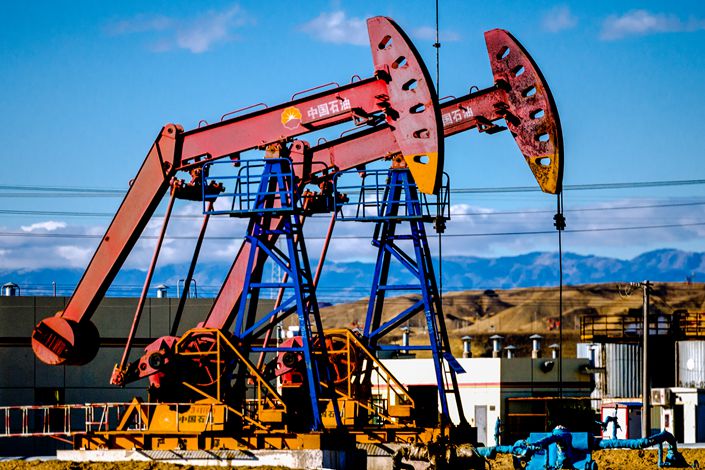
Birao Fitantanana ny Solika Xinjiang - CNPC
Fanamby:Miara-miasa amin'ny China National Petroleum Corporation, ny Xinjiang Petroleum Administrative Bureau dia nila vahaolana azo antoka ho an'ny fampangatsiahana rivotra sy ny rafitra fitahirizana mangatsiaka ao amin'ny foibem-panangonana angon-drakitra tamin'ny taona 2020. Ny tontolo iainana henjana any an'efitra miaraka amin'ny fiovaovan'ny mari-pana tafahoatra dia nitaky vahaolana izay afaka manome fahatokisana miavaka sy fitoniana maharitra.
Vahaolana:Taorian'ny fanombanana lalina, dia nifidy LM-4 Glacier Coolant 80 taonina ho an'ny fotodrafitrasa fampangatsiahana azy ireo ny birao. Nofidiana manokana ity vahaolana ity noho ny fahombiazany amin'ny famindrana hafanana ambony, ny fiarovana amin'ny harafesina feno, ary ny fahatokisana voaporofo amin'ny tontolo iainana sarotra.
Ireo zava-nisongadina tamin'ny fampiharana:
● Ranon-javatra LM-4 80 taonina no ampiasaina amin'ny rafitra fampangatsiahana foibe angon-drakitra
● Fampidirana rafitra feno amin'ny fotodrafitrasa efa misy
● Fanohanana ara-teknika matihanina mandritra ny fampiharana
Vokatra:Niasa tsara ireo rafitra, tsy nisy fatiantoka firy tamin'ny fitaovana ary nilamina tsara nandritra ny fotoana maharitra. Izany fahombiazana izany dia nitarika fiaraha-miasa sy tolo-kevitra mitohy ho an'ireo orinasa indostrian'ny solika hafa.
80 taonina
Napetraka ny LM-4
2020
Taona fampiharana
0
Fahasimban'ny fitaovana
Foibe angon-drakitra momba ny lalamby Shina - Fampangatsiahana ny fotodrafitrasa fototra
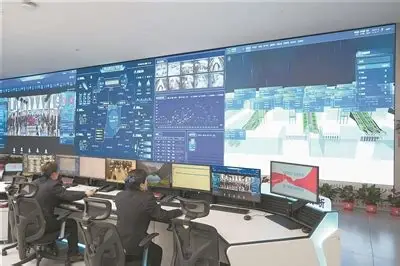
Fanamby:Ny foibem-panangonam-baovao lehibe indrindra an'ny China Railway Corporation, izay hita ao amin'ny Distrikan'i Wuqing, Tianjin, no foibe fitahirizana angon-drakitra manan-danja ho an'ny lalamby, anisan'izany ny angon-drakitra momba ny rafitra tapakila 12306 sy ny fampahalalana momba ny fiasan'ny lalamby. Ity toerana tena ilaina ity dia mitaky vahaolana fampangatsiahana azo itokisana mba hanohanana ny fitahirizana angon-drakitra fototra, ny informatika ara-barotra fototra, ary ny asa famerenana angon-drakitra.
Vahaolana:Hatramin'ny taona 2020, ny foibem-panangonam-baovao dia nampiasa LM-4 Glacier Coolant 80 taonina ho an'ny rafitra fampangatsiahana rivotra, ny faritra fampangatsiahana ivelany, ary ny vata fampangatsiahana matihanina anatiny. Ny vahaolana LM-4 dia nofidiana noho ny fahombiazany amin'ny famindrana hafanana ambony, ny fiarovana amin'ny harafesina feno, ary ny fahatokisana voaporofo amin'ny fanohanana ny asa fotodrafitrasa manan-danja 24/7.
Ireo zava-nisongadina tamin'ny fampiharana:
● Ranon-javatra LM-4 80 taonina no nampiasaina mba hampangatsiaka tanteraka
● Rafitra fampangatsiahana rivotra ho an'ny tontolo anatiny misy mpizara
● Fizarana fampangatsiahana ivelany ho an'ny fandavana hafanana
● Fanohanana matihanina amin'ny fampangatsiahana an-trano
Vokatra:Ny vahaolana fampangatsiahana LM-4 dia nanome fiasa azo itokisana nanomboka tamin'ny taona 2020, manohana ny fotodrafitrasa angon-drakitra tena ilaina indrindra ao amin'ny indostrian'ny lalamby miaraka amin'ny fahombiazana fitantanana hafanana tsara dia tsara sy ny fahamarinan'ny rafitra.
80 taonina
Napetraka ny LM-4
2020
Taona fampiharana
12306
Fampiharana fototra
Fizotry ny Fampiharana
Fanombanana ny rafitra
Famakafakana ny filàna fampangatsiahana sy ny hakitroky ny herinaratra
Fifantenana vokatra
Misafidiana rano mangatsiaka araka ny karazana fampiharana
Fampidirana ny rafitra
Fametrahana sy fanombohana matihanina
Fanaraha-maso ny Fahombiazana
Fanaraha-maso sy fanatsarana mitohy
Fiasa tsara indrindra
Fahombiazana sy fahatokisana maharitra
Fanontaniana Matetika Apetraka
Manolotra vahaolana feno momba ny fampangatsiahana ny Glacier Coolant:
● Rafitra fampangatsiahana rano- Fampiasana LM-4 (ethylene glycol) sy LM-4ABG (propylene glycol) ho an'ny fantsona rano mangatsiaka nentim-paharazana
●Fampangatsiahana Ranoka amin'ny Takelaka Mangatsiaka- Fampiasana LM-4D, LM-4D-YE, ary LM-4ABG ho an'ny fampangatsiahana mivantana ny singa mahomby
●Fampangatsiahana anaty rano- Fampiasana ranoka dielektrika LM-14, LM-14C, LM-15B, ary LM-17 mba hampidirana mivantana ny fitaovana IT
Ny vahaolana fampangatsiahana atolotray dia manampy amin'ny fahazoana naoty PUE manomboka amin'ny 1.1 ka hatramin'ny 1.5 arakaraka ny fomba fampangatsiahana:
● Fampangatsiahana rano:Mahatratra PUE 1.3-1.5, mety tsara ho an'ny toerana misy mponina antonony
●Fampangatsiahana amin'ny takelaka mangatsiaka:Mahatratra PUE ambanin'ny 1.3, mety amin'ny informatika avo lenta
●Fampangatsiahana anaty rano:Mahatratra ny PUE 1.1-1.2, vahaolana mahomby indrindra ho an'ny hakitroky tafahoatra
Ny rafitra fampangatsiahana samihafa dia manohana ny hakitroky ny herinaratra samihafa:
● Fampangatsiahana rano:Manohana hatramin'ny 20 kW/rak, mety tsara ho an'ny foibe angon-drakitra mahazatra ho an'ny orinasa
●Fampangatsiahana ranoka mangatsiaka:Manohana hatramin'ny 50 kW/rak, tonga lafatra ho an'ny rafitra fiofanana AI mifototra amin'ny GPU/TPU
●Fampangatsiahana anaty rano:Manohana 100+ kW/rak, ahafahana mampiasa fotodrafitrasa manana hakitroky tafahoatra amin'ny taranaka manaraka
Eny, natao ho an'ny tontolo iainana ny vokatra atolotray:
● Mampiasa propylene glycol tsy misy poizina ny LM-4ABG, ka mahatonga azy io ho azo antoka kokoa ho an'ny tontolo iainana sy ny mpiasa
● Namboarina ho mora levona sy mahafeno ny fenitra iraisam-pirenena momba ny tontolo iainana ny vokatra rehetra
● Manampy amin'ny fampihenana ny fanjifana angovo ny vahaolana atolotray, manohana ny fiasan'ny foibe fitahirizana angon-drakitra maharitra
Manoro hevitra ny fandaharam-potoana fikojakojana manaraka izahay:
● Isan'andro:Fijerena maso raha misy fivoahan-drano, fanaraha-maso ny tsindry sy ny mari-pana
●Isam-bolana:Jereo ny fifantohan'ny ranoka, ny haavon'ny pH, ary manaova fanadihadiana fototra momba ny ranoka
●Isan-telovolana:Fanaraha-maso feno ny rafitra, fanoloana sivana, ary famakafakana feno ny ranoka
●Isan-taona:Fanadiovana tanteraka ny rafitra sy fanoloana ranoka (isaky ny 8-10 taona ho an'ny rafitra mihidy)
Vonona hanatsara ny fampangatsiahana ny foibe fitahirizana angon-drakitrao ve ianao?
Hanao fanombanana feno momba ny rafitra ny ekipanay manam-pahaizana ary hamolavola vahaolana namboarina mifanaraka amin'ny filanao manokana.
Fotoana fandefasana: 21 Jolay 2026